Madeira Travel Guide: Everything You Need to Know for Your Perfect Island Escape
- sarah williams
- Oct 15, 2025
- 5 min read

Picture this: you're sipping a fresh passion fruit poncha while gazing out at dramatic volcanic cliffs that drop straight into the Atlantic Ocean, surrounded by lush subtropical forests that look like they belong in a movie. Welcome to Madeira – Portugal's best-kept secret floating 600 miles southwest of the mainland.
Often dubbed the "Hawaii of Europe," this stunning archipelago offers something genuinely special. It's not your typical beach destination (though it has those too), but rather an adventure playground where ancient laurel forests meet towering peaks, and where you can experience four different climates in a single day's drive.
Getting There: Easier Than You Think
Flight Time from the UK: Around 4 hours direct – perfect for a long weekend or extended break without the jet lag drama.
Airlines: You've got loads of options with direct flights from London, Manchester, Birmingham, Bristol, Liverpool, Newcastle, Edinburgh, and Glasgow. Seasonal routes also run from smaller airports like Bournemouth and Belfast.
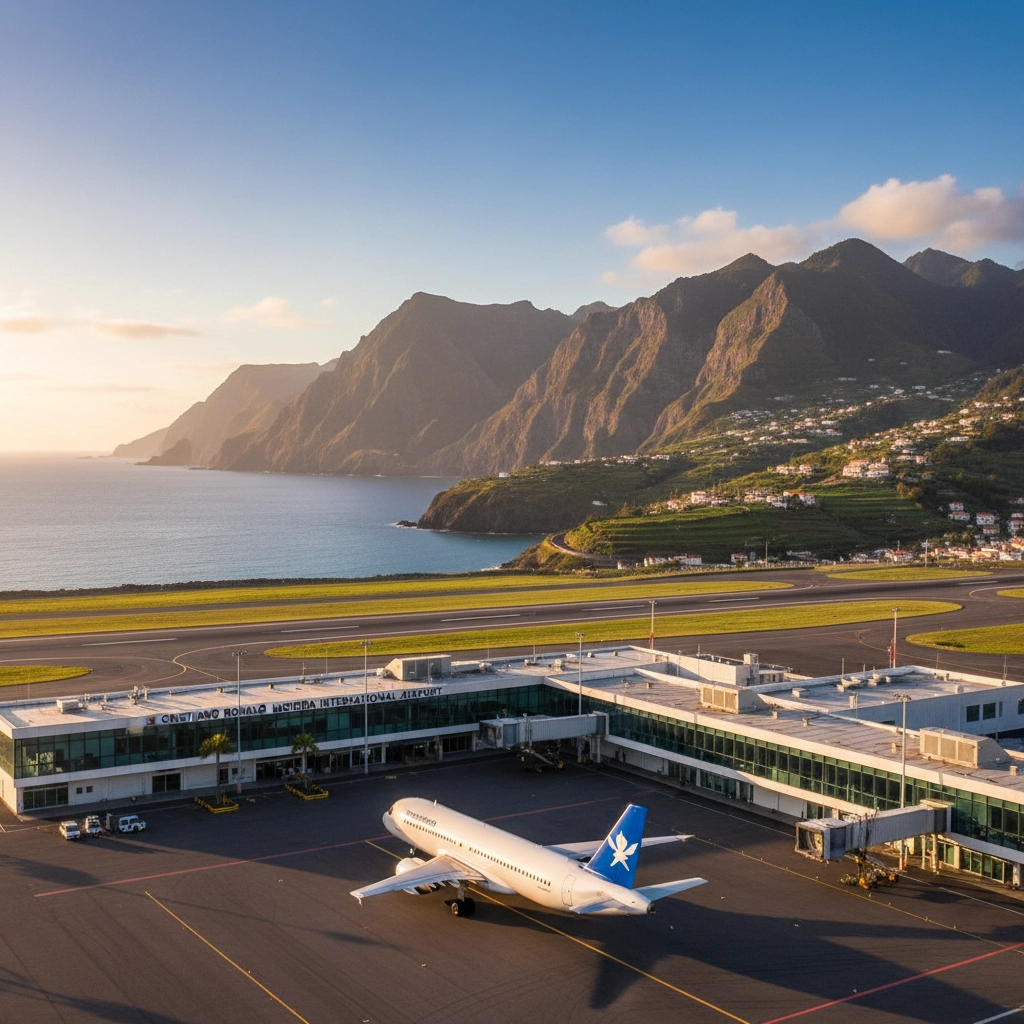
Airport: You'll land at Cristiano Ronaldo International Airport (yes, named after that Cristiano – he's a local lad). It's about 20 minutes from Funchal, the capital.
Money Matters: Currency and Costs
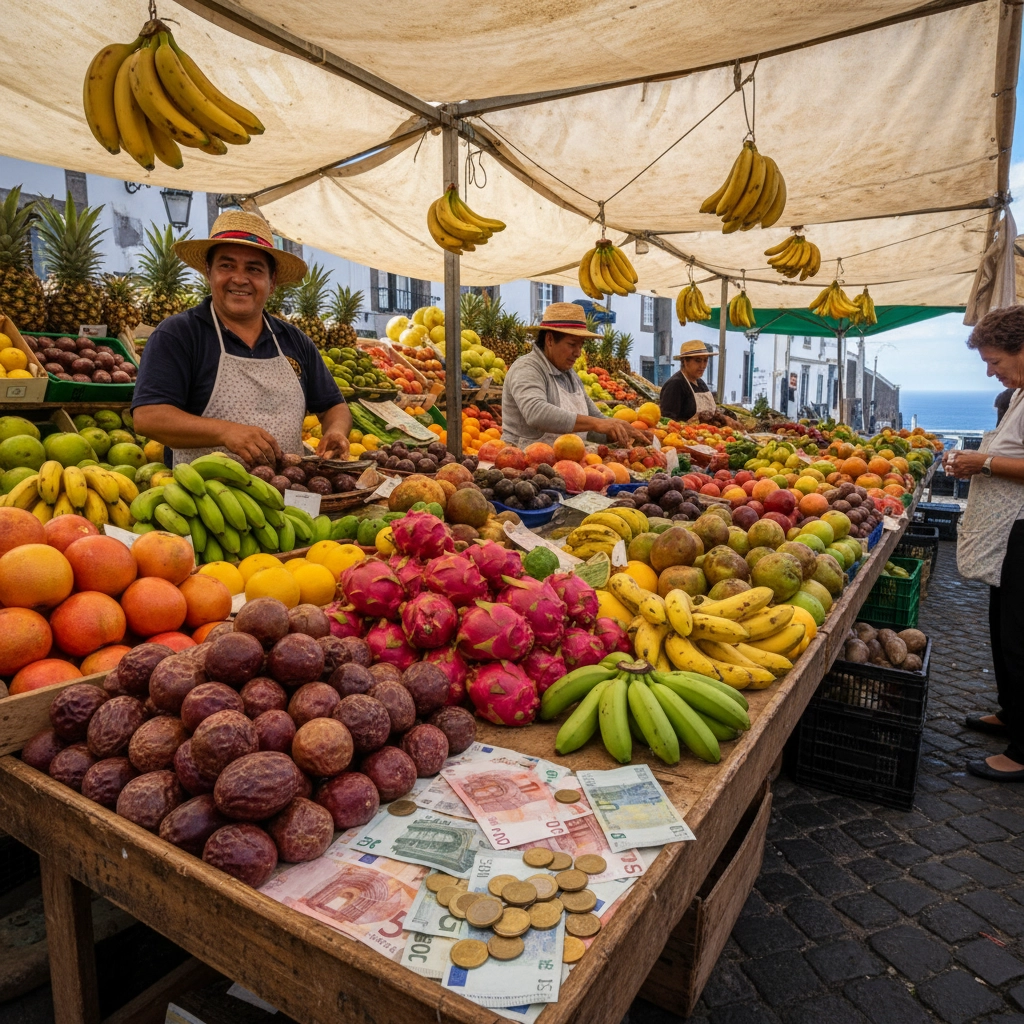
Currency: Euros (€) – same as mainland Europe, so no currency confusion if you've travelled around the EU before.
Budget: Madeira offers brilliant value for money. You can have a fantastic meal for €15-20, local wine costs a fraction of what you'd pay back home, and activities are surprisingly affordable. Expect to pay around €3-4 for a poncha (the local cocktail you absolutely must try).
Tipping: 10% is perfectly fine in restaurants if you're happy with the service.
Weather: Why They Call It the Island of Eternal Spring
Here's the thing about Madeira's weather – it's basically perfect year-round. Temperatures hover between 16-25°C (61-77°F), making it ideal whether you're escaping Britain's winter chill or summer heat.
Best Time to Visit:
April to June: Gorgeous weather, fewer crowds, perfect for hiking
September to November: Warm sea temperatures, still great walking weather
Winter (December-March): Mild and sunny – brilliant for winter sun seekers
Summer (July-August): Busiest but still lovely, just book accommodation early
The island has several microclimates, so you might find it cloudy on the north coast while the south basks in sunshine. Pack layers!
Where to Stay: From City Buzz to Mountain Retreats
Funchal: The vibrant capital is perfect for first-timers. Stay here for restaurants, nightlife, and easy access to everything. The Old Town is particularly charming with its street art and traditional buildings.
Caniço: Just east of Funchal, quieter but still convenient. Great for families.
Porto Moniz: In the northwest, famous for its natural volcanic rock pools. Stunning but remote – you'll need a car.
Quinta do Lorde: Southeast coast resort area, beautiful and upmarket.
Santana: In the north, known for traditional thatched houses. Authentic and peaceful.
Most visitors base themselves in or around Funchal for convenience, but honestly, the island's small enough (35 miles long, 14 miles wide) that you can reach anywhere within an hour's drive.
What to Pack: The Essentials
Layers, layers, layers! The weather can change quickly as you gain altitude.
Must-haves:
Sturdy walking shoes (seriously, don't skip this)
Light waterproof jacket
Swimwear (for those volcanic pools)
Sun cream and hat
Comfortable day pack for hiking
Light jumper for evenings
Dress clothes if you fancy nice restaurants
Pro tip: Pack hiking poles if you're serious about walking – the terrain can be steep and slippery.
Getting Around: Car vs Tours
Rent a car if you want total freedom. The roads are well-maintained but can be winding and steep – not for nervous drivers. Automatic cars are available but book ahead.
Join tours if you prefer to relax and let someone else navigate. Local guides know all the best spots and hidden viewpoints you'd never find alone.
Public transport exists but is limited outside Funchal. Fine for getting around the capital but not much use for exploring the island properly.
Must-Do Experiences
Levada Walks: These historic irrigation channels create flat(ish) walking paths through otherwise impossible terrain. The Levada do Caldeirão Verde is perfect for beginners.
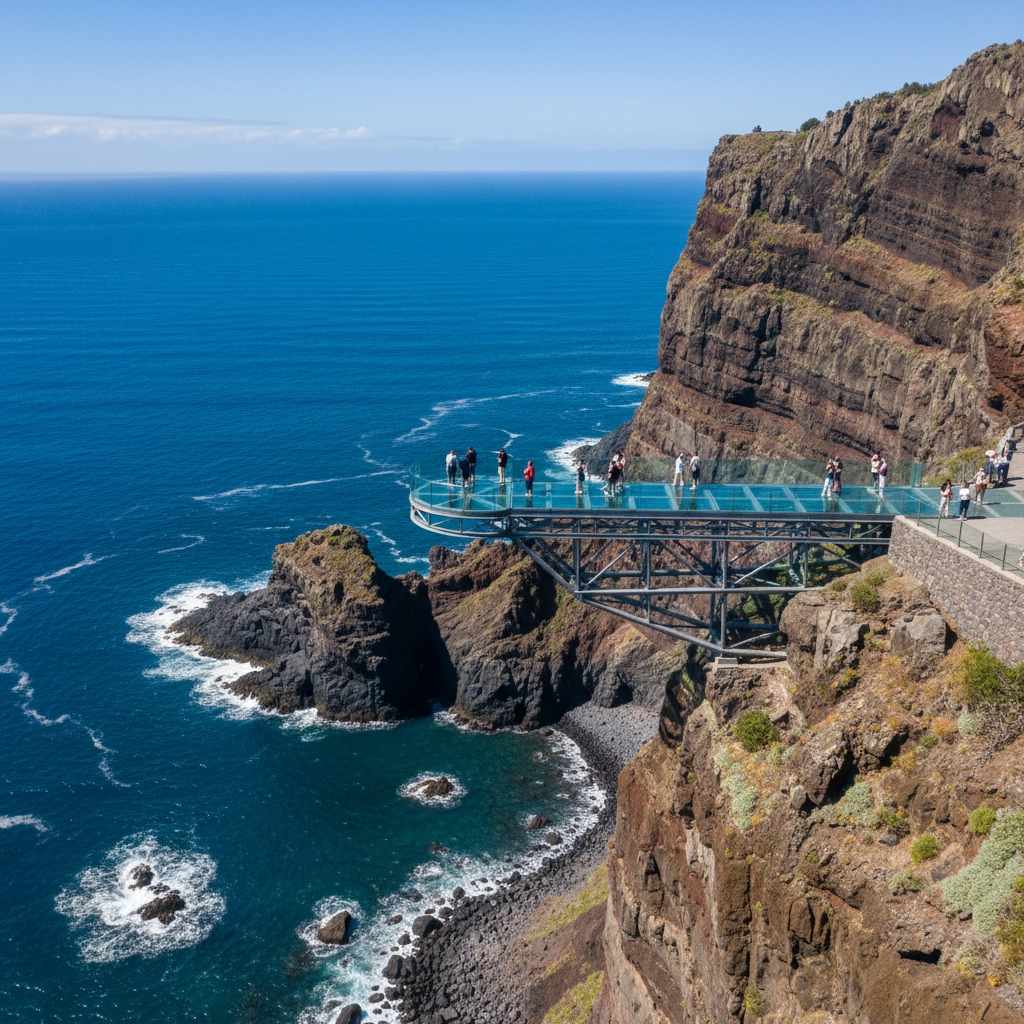
Cabo Girão Skywalk: One of Europe's highest sea cliffs with a glass viewing platform. Not for anyone afraid of heights, but the views are absolutely mental.
Pico do Arieiro: Drive up for sunrise or sunset views above the clouds. The highest accessible peak and genuinely breathtaking.
Monte Palace Tropical Garden: Stunning gardens with exotic plants, peacocks roaming free, and incredible views over Funchal.
Funchal Old Town: Wander the painted doors of Rua de Santa Maria, grab a coffee in one of the tiny squares, and soak up the atmosphere.
Food and Drink: Local Flavours
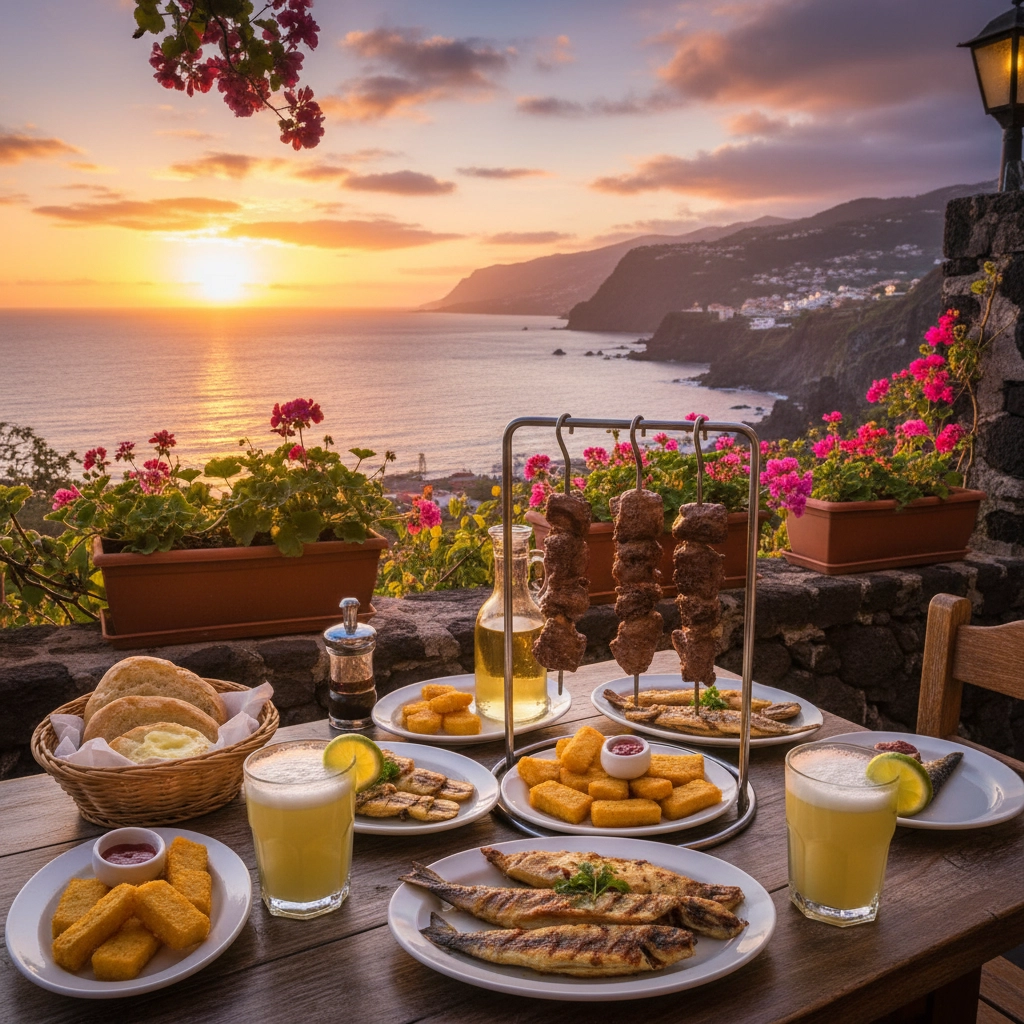
Poncha is the island cocktail – sugar cane rum, honey, and fresh lemon juice. Each bartender has their own twist.
Espetada – beef skewers cooked over open fires, usually served hanging from a hook.
Black scabbard fish (espada) – sounds awful, tastes incredible, often served with passion fruit.
Bolo do caco – traditional bread served with garlic butter. Pure comfort food.
Madeira wine – sweet fortified wine that's been made here for centuries. Perfect with dessert.
The island grows amazing tropical fruits – try fresh passion fruit, custard apples, and dragon fruit.
Local Tips and Insider Knowledge
Altitude matters: Funchal might be sunny while it's cloudy up the mountains. Check weather at different elevations.
Book restaurants: Popular spots fill up, especially in Funchal's Old Town.
Learn basic Portuguese: "Obrigado/a" (thank you) and "Por favor" (please) go a long way. Most locals speak English, but they appreciate the effort.
Respect the levadas: These paths can be narrow with steep drops. Stay single file and don't venture off marked trails.
Whale watching season: December to April is best for spotting whales and dolphins.
Shopping: Madeira's famous for embroidery, wicker work, and of course, Madeira wine. Buy from reputable shops to ensure authenticity.
Day Trip Ideas
Porto Santo: Take the 2.5-hour ferry to Madeira's sister island for proper beaches and golden sand – completely different vibe.
East to Ponta de São Lourenço: Dramatic peninsula with desert-like landscapes and incredible cliff walks.
North Coast Adventure: Drive through São Vicente's volcanic tunnels, see the natural pools at Porto Moniz, and stop at the traditional houses in Santana.
Practical Stuff
Language: Portuguese, but English is widely spoken in tourist areas.
Plugs: European two-pin plugs (Type C/F).
Emergency number: 112
Pharmacies: Well-stocked and pharmacists often speak English.
Internet: Excellent Wi-Fi almost everywhere.
Madeira really is something special – it's got that perfect mix of adventure and relaxation that makes for an unforgettable holiday. Whether you're hiking through ancient forests, soaking in natural pools carved from volcanic rock, or simply enjoying a poncha while watching the sunset, this island has a way of getting under your skin.
The best part? It's just four hours from the UK, but feels like you've discovered your own private paradise. Trust me, once you've experienced Madeira's magic, you'll already be planning your return visit before you've even left.
Comments